Soundproofing Guides for Quieter Apartment Living
Evidence-based acoustic techniques, product comparisons, and regulatory overviews written for residents of HDB flats and condominiums across Singapore.
Recent Articles
In-depth guides on reducing noise and improving acoustic comfort in Singapore residences.

Soundproofing an HDB Flat: Materials, Methods, and Compliance
A room-by-room breakdown of non-invasive and contractor-grade soundproofing options that comply with HDB renovation guidelines.

White Noise Machines for Apartment Living: A Side-by-Side Comparison
Comparing fan-based, digital, and app-controlled sound machines by decibel output, tonal range, and suitability for Singapore bedrooms.

Noise Regulations and Quiet Hours: What Singapore Residents Need to Know
An overview of NEA permissible noise levels, HDB renovation time rules, and the Community Dispute Management Framework.

Common Acoustic Materials Used in Singapore Apartments
Selecting the right material depends on the noise type (airborne vs. impact), the surface area, and HDB renovation rules. Below are the most commonly used options among Singapore residents.
- Mass Loaded Vinyl (MLV) — adds density to walls without significant thickness increase
- Mineral wool batts — inserted between studs in false walls or above false ceilings
- Acoustic foam panels — surface-mounted for echo reduction in enclosed rooms
- Rubber door seals and sweeps — close air gaps to limit sound leakage through doorframes
- Resilient channel systems — decouple drywall from structural walls to interrupt vibration transfer
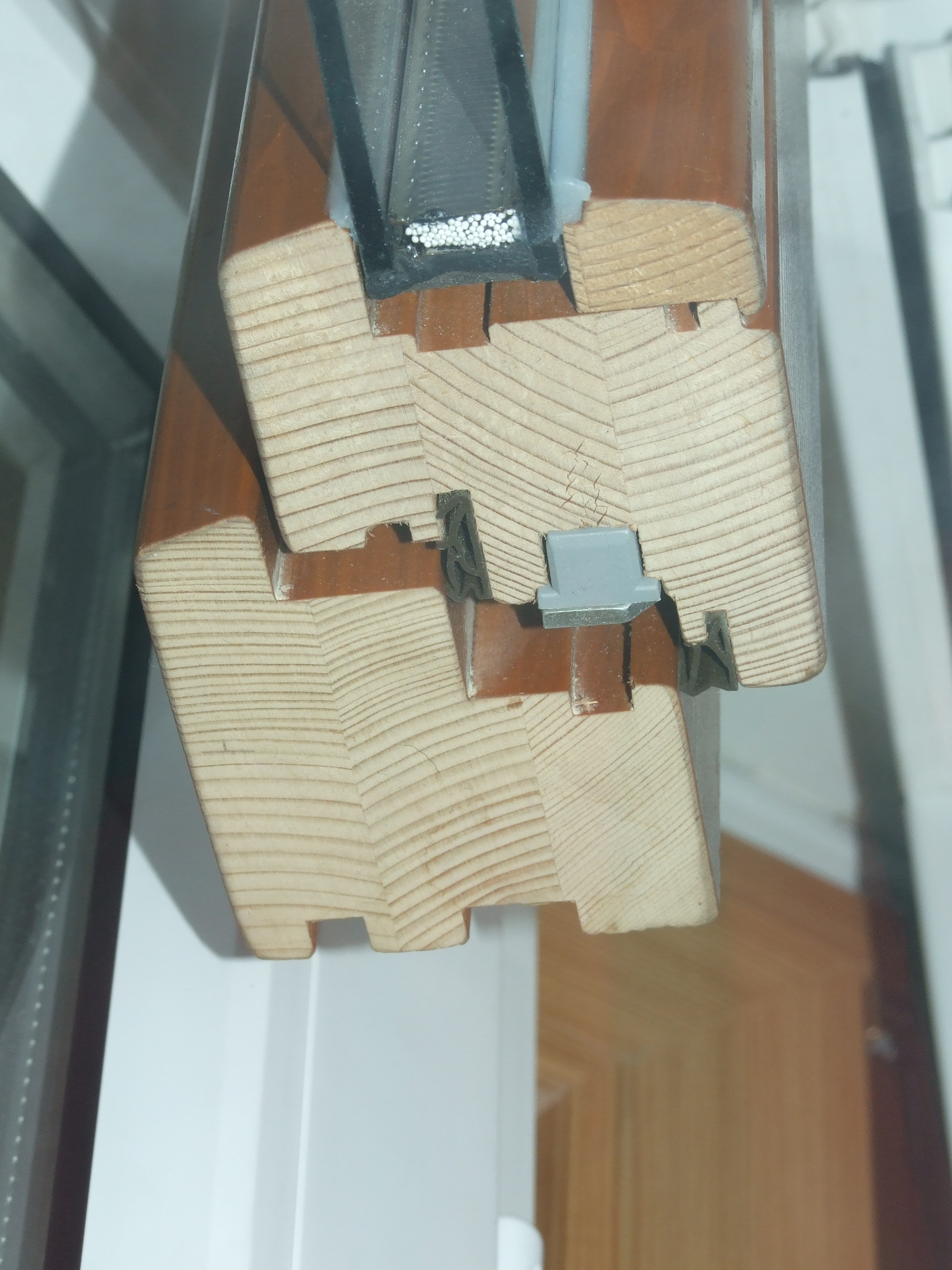
Window Upgrades That Reduce External Noise
Street-facing apartments in Singapore often contend with road traffic, MRT lines, and construction activity. Window modifications remain one of the most effective countermeasures.
- Retrofit double glazing — adds an acrylic layer over existing windows without facade alteration
- Laminated glass replacement — the PVB interlayer absorbs sound vibration across a broad frequency range
- Acoustic window films — a lower-cost option that dampens mid-frequency noise by 3–5 dB
- Sealed window frames — foam or rubber gaskets eliminate gaps that let air (and sound) through
Key Noise Figures for Singapore Residences
Decibel thresholds set by NEA and HDB that affect daily apartment living.
55 dBA
Maximum permissible construction noise at night (10 pm–7 am) for residential buildings within 150 m of a site.
9 am – 6 pm
HDB general renovation hours on weekdays and Saturdays. No renovation work is allowed on Sundays or Public Holidays.
10:30 pm
Recommended start of quiet hours for residential areas. Activities likely to cause nuisance should cease by this time.
About This Archive
Quiet Brook Lane is a local information archive focused on residential acoustics in Singapore. All articles are based on publicly available data from government agencies such as NEA, HDB, and BCA, combined with input from acoustic material specifications and peer-reviewed building science references. Content is updated periodically to reflect regulatory changes.
Last updated: April 28, 2026